Who is the Ryze Tello for?
The Tello is for the complete beginner and the younger pilot. If you want to learn the fundamentals of flying, keeping orientation, smooth stick control, a steady hover, without risking hundreds of pounds on a crash, this is the drone to do it on. It is also one of the best options for a child, because it is light, robust and cheap enough that the occasional collision is no disaster. And because it is so light, you can practise indoors whatever the weather.
It is the wrong drone if you want good photos or video, full stop. The 720p camera and lack of a gimbal mean the footage is strictly for fun, and the short flights and limited range rule out any serious outdoor work. Anyone whose main goal is aerial imagery should skip straight to a gimbal-equipped 4K drone like the DJI Mini 3.
How the Ryze Tello performs
Ease of flying
This is the Tello's whole reason for being, and it excels. DJI's flight tech and vision positioning give it a remarkably stable hover for such a tiny, cheap drone, so it does not dart off the moment you ease off the sticks. That stability makes those first, nervous flights genuinely enjoyable rather than stressful, and the skills you build transfer directly to bigger drones later. As a teaching tool, it is excellent.
Durability
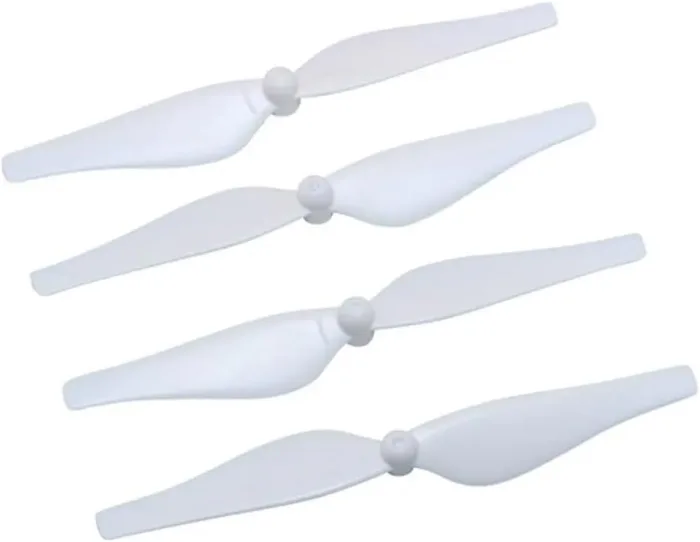
Beginners crash, and the Tello is built to take it. It is light, has prop guards, and shrugs off the low-speed bumps and gentle falls that come with learning. Spare propellers are cheap and easy to fit. That toughness is a big part of why it works so well for children and for indoor practice, where collisions with walls and furniture are simply part of the process.
Camera and flight time
Here is where you must be realistic. The camera shoots 720p video and 5 MP photos with no gimbal, so the footage is fine for a bit of fun but nowhere near serious quality. Flight time is around 13 minutes per battery, and the range is short, both because the Tello is designed for close-range learning rather than distance flying. None of this is a flaw given its purpose, but it firmly defines the Tello as a learning drone, not a filming one.
Setup and app
The Tello pairs with a phone app and flies via your phone's screen, with optional support for a Bluetooth controller for a more natural feel. Setup is quick and beginner-friendly, and there are simple programmable flight modes that make it fun to experiment with, including basic coding lessons that make it popular in education.
The honest downside: it is for learning, not filming
The Tello's limitations are entirely a function of its purpose. The camera, the short flights and the limited range all reflect a drone built to teach flying cheaply, not to capture footage. If you go in expecting a camera drone, you will be disappointed. If you go in wanting the safest, cheapest way to learn, or a robust first drone for a child, it is close to perfect. Most pilots who start here happily move up to a DJI Mini 3 or Holy Stone HS720E once they have the basics, and the Tello has done its job by then.